
Walk into any curtain shop in Dubai and you’ll hear the same pitch: “blackout is better.” But better for what? A blackout curtain and a normal curtain are built for different jobs, and choosing wrong means either paying for performance you don’t need or living with light and heat you didn’t expect. Here is the honest, room-by-room difference — no sales talk.
What Blackout Curtains Actually Are
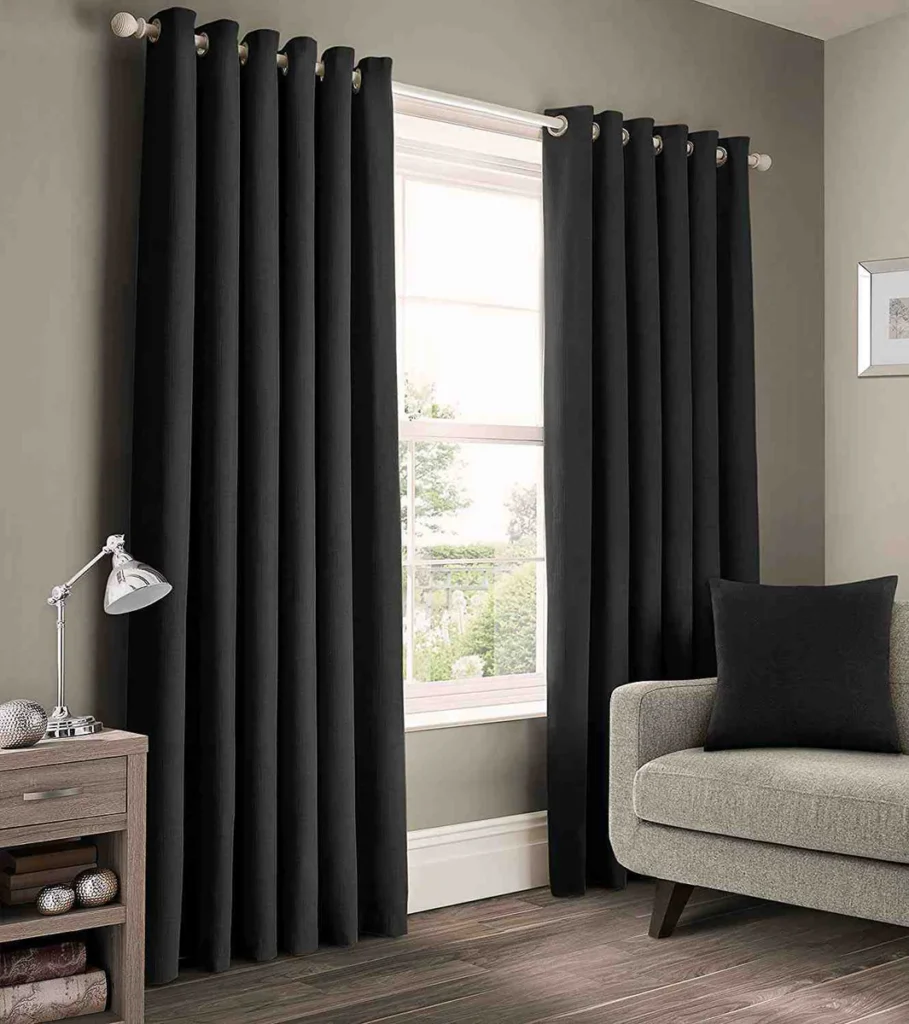
A normal curtain is a single layer of decorative fabric — cotton, linen, polyester or a blend — chosen mostly for how it looks. A blackout curtain is an engineered product: either a dense triple-weave fabric or a normal face fabric bonded to a light-blocking lining (usually coated or foam-backed).
That construction is the whole story. The lining is what blocks the light, and it also adds weight, stiffness and insulation that a single-layer curtain simply doesn’t have. When you hold both in a showroom, the blackout panel feels noticeably heavier — that’s not a flaw, it’s the feature.

Light Control: The Difference You Feel Every Morning
This is the headline difference. A proper blackout curtain blocks 90–100% of incoming light. A normal curtain — even a dark-coloured one — typically filters only 20–40%, softening daylight rather than stopping it.
In Dubai this matters more than almost anywhere else. Summer sunrise hits around 5:30 AM and the light is fierce by 7. If your bedroom faces east, a normal curtain will have you awake with the sun whether your alarm agrees or not. Shift workers, light sleepers, and anyone with a baby napping during the day will feel this difference on the very first morning. For our full range of light-blocking options, browse our blackout curtains collection.
Heat and Energy: Where Blackout Earns Its Keep in Dubai
Here’s the difference most shoppers underestimate. Dubai’s sun doesn’t just bring light — it brings heat straight through your glass. A normal sheer or linen curtain lets most of that solar heat pour into the room, which means your AC works harder all afternoon.
Blackout curtains, especially lighter-coloured ones with a reflective backing, bounce a large share of that heat back before it enters the room. Bedrooms and west-facing living rooms stay noticeably cooler, and over a Dubai summer that shows up on the DEWA bill. They won’t replace proper insulation or window film, but as a curtain choice, they’re the closest thing to free cooling you can hang on a rod. If you’d rather keep things light and airy, our home curtains range has breathable fabrics that suit living areas and majlis spaces.
Noise, Privacy and Looks
A few honest notes on the secondary differences:
Noise: Blackout curtains dampen outside sound slightly because of their extra mass — traffic hum and corridor noise drop a notch. Don’t expect miracles; they are curtains, not acoustic panels.
Privacy: A normal curtain in a light fabric can turn see-through the moment your indoor lights go on at night. Blackout fabric gives complete privacy day and night, which matters for ground-floor villas and apartments facing another tower.
Looks: This is where normal curtains win. They come in far more textures, weaves and flowing styles, and they drape softly. Blackout panels look best in solid colours and tailored styles — elegant, but less variety. Many Dubai homeowners solve this by layering: a sheer normal curtain for daytime softness with a blackout panel behind it for night.
Cost and Care: The Honest Trade-Offs
Blackout curtains cost more — the lining and heavier fabric add roughly 30–50% to the price of a comparable normal curtain. They also weigh more, so they need a sturdier curtain rod or track; a flimsy rod will bow within months under a full-width blackout panel.
On care: most blackout curtains are machine-washable on gentle, but skip the hot dryer — high heat can crack or delaminate the coating. Normal curtains are generally easier to wash and quicker to dry. Neither type likes Dubai’s dust; a monthly shake-out or vacuum with an upholstery attachment keeps both looking fresh.
Which One Should You Choose? A Room-by-Room Guide
- Bedrooms: blackout, no contest — for sleep, heat and privacy.
- Baby/kids’ rooms: blackout — daytime naps depend on it.
- Living rooms and majlis: normal curtains (or a sheer + blackout layer) — you want daylight and softness here.
- Home offices: blackout or a blackout roller behind normal curtains — kills screen glare in afternoon sun.
- Rental apartments: normal curtains are cheaper to replace; add a blackout liner only in the bedroom.
The rule of thumb: if the room is for sleeping or screen work, go blackout. If it’s for living and entertaining, go normal — and layer if you want both.

Final Word: Get the Right Curtain for the Right Room
The real mistake isn’t choosing blackout or normal — it’s hanging the same curtain in every room. Match the fabric to what each room actually does, and you’ll sleep better, pay less for cooling, and stop fighting the Dubai sun every morning.
At Decent Star Furniture, we supply and install both — blackout curtains for bedrooms and home offices, and a wide range of normal curtains for living spaces — measured and fitted to your windows anywhere in Dubai. Call or WhatsApp us on +971 52 497 7538 for a free consultation and quote, or contact us online and we’ll help you pick the right curtain for every room.