
A carpet in a hotel corridor and a carpet in a living room may look similar in a photograph, but they are built for very different jobs. A hotel carpet must survive hundreds of people walking over it every day, suitcases dragged across it, spills cleaned up in minutes, and still look presentable for the next guest. A home carpet has a quieter life: family foot traffic, the occasional spill, and a vacuum cleaner rather than a professional cleaning crew. Choosing the wrong type for the wrong place is an expensive mistake: a soft home carpet in a busy hotel will flatten and wear out quickly, while a tough hotel carpet in a small bedroom can feel hard and look too commercial.
Built for Different Levels of Foot Traffic
The biggest difference is durability. Hotel carpets are made to handle constant, heavy traffic — guests arriving at all hours, staff with trolleys, and luggage wheels rolling over the same paths day after day. They usually have a dense, low pile that resists crushing, so the carpet does not show worn tracks where everyone walks, and a stronger backing so it stays flat over a large area. Home carpets, by contrast, are made for comfort first. A thicker, plusher pile feels soft under bare feet and suits rooms where people sit and play on the floor. That softness is a weakness in a commercial setting: the pile flattens and marks appear. When you choose, start with the traffic, not the colour. A corridor, lobby, or hotel room doorway needs a commercial-grade construction, while a bedroom can prioritise softness and warmth.

Safety and Fire Rules Matter More in Hotels
Hotels in Dubai must meet strict safety standards, and carpet is part of that. Commercial hotel carpets are typically tested for fire resistance and slip resistance, because a hotel is a public building where many people need to exit safely in an emergency. The carpet must not help a fire spread, and it must stay firmly in place underfoot, which is why hotel carpets are usually fitted wall to wall by professionals, with proper gripper rods or adhesive and neat joins at doorways. In a home, fire safety still matters — especially in kitchens and near heaters — but the rules and the risks are different, and a homeowner has more freedom to choose a loose rug or a softer carpet. If you run a hotel, guesthouse, or serviced apartment, always ask your supplier whether the carpet meets commercial fire and safety requirements, and keep the product details on file.
Cleaning and Maintenance Are Not the Same Job
A hotel carpet is cleaned on a schedule, not when someone notices a stain. Housekeeping teams vacuum high-traffic areas daily and arrange deep cleaning regularly, so hotel carpets are chosen to release dirt easily and to hide marks between cleans. Darker tones and busy patterns are popular in hotels for exactly this reason: they disguise footprints, spills, and vacuum lines. Home carpets are cleaned less often, usually by the family, so stain resistance and ease of spot-cleaning matter more than hiding heavy traffic. Think about who will clean the carpet and how often before you buy. A beautiful pale carpet in a hotel lobby will look grubby within weeks, while a tough patterned hotel carpet in a home may be harder to spot-clean and less pleasant to sit on.
Colour, Pattern and Design Choices Differ
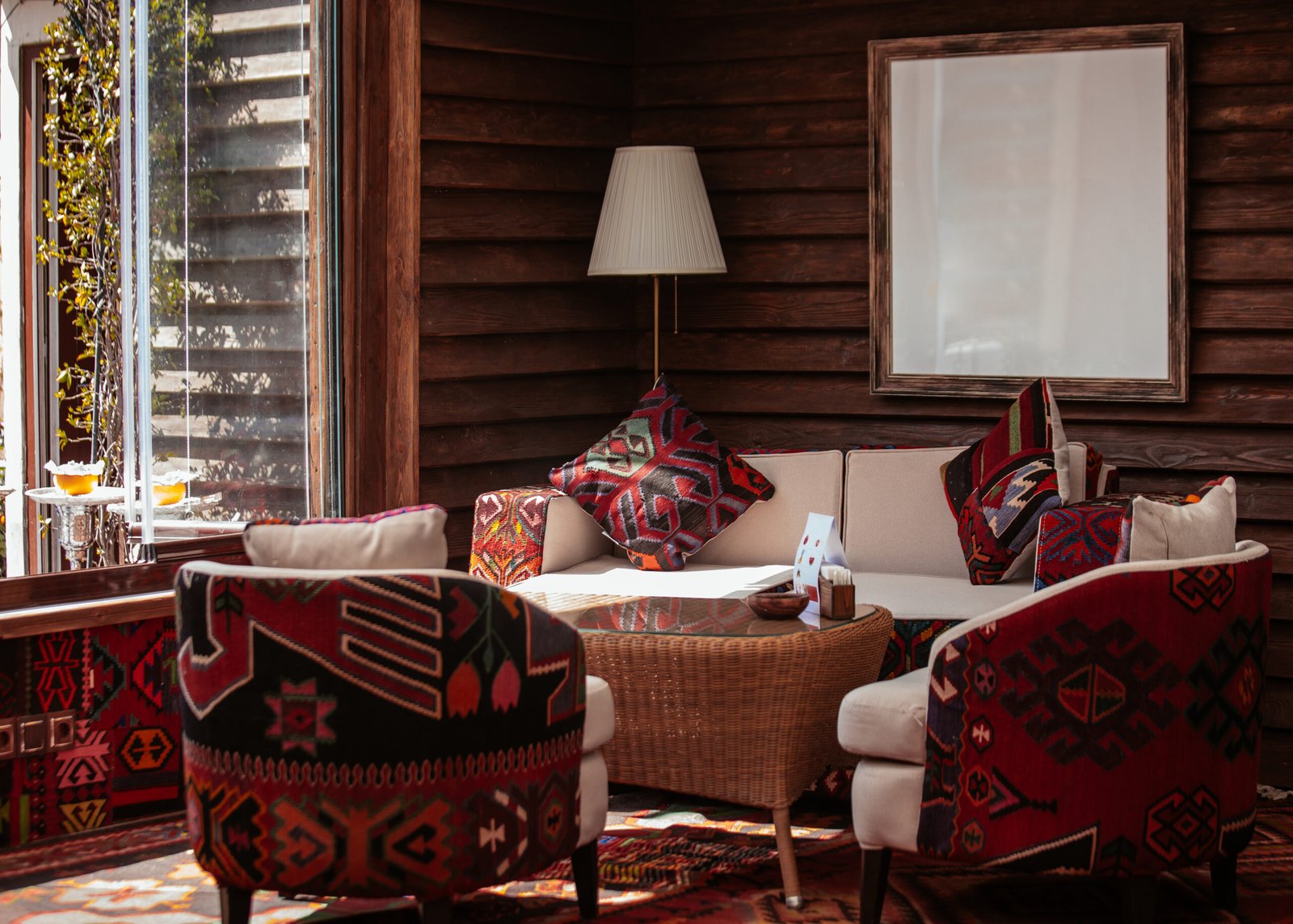
Walk into a hotel and the carpet is doing a job: guiding guests, hiding wear, and setting a mood without shouting for attention. Hotel carpets often use rich colours, large-scale patterns, and borders that define corridors and seating areas. The pattern is not just decoration — it breaks up the surface so wear and stains are less visible. Home carpets tend to be calmer. Plain or subtly patterned carpets in neutral tones let furniture, curtains, and artwork take centre stage, and they are easier to live with for years. The point is to match the design to the use. In a hotel, choose a pattern that will still look smart after thousands of footsteps. At home, choose a colour you will still like in five years, in the light your room actually gets during the day.

Cost, Lifespan and Practical Tips Before You Choose
Hotel carpets usually cost more per square metre to supply, and fitting is a professional job — but they are priced for a long commercial life, and replacing a worn hotel carpet disrupts guests and revenue. A home carpet costs less upfront and is easier to replace room by room, but a cheap carpet in a busy family home may need replacing sooner than expected. Before you decide, do three quick checks. First, measure properly and count doorways, stairs, and joins — commercial jobs often need more carpet than a simple length-times-width calculation suggests. Second, ask about the pile, backing, and warranty in writing, and whether the carpet is rated for commercial or residential use. Third, get samples and test them in your own light, with your own furniture, before committing to a whole floor.
The Right Carpet for the Right Place
Hotel carpets and home carpets are not better or worse than each other — they are built for different lives. Hotels need dense, hard-wearing, safety-tested carpet that hides traffic and cleans on a schedule. Homes need comfortable, easy-to-live-with carpet that suits the room and the family. Get the choice right and the carpet will look good for years; get it wrong and you will be replacing it far sooner than planned. Decent Star Furniture can help: we supply hotel carpets in Dubai in a wide range of commercial-grade designs, as well as wall-to-wall carpet for homes, and we measure, supply, and fit. To start, contact Decent Star Furniture through our contact page, or call or WhatsApp us on +971 52 497 7538 to book a free measurement.